Let’s try a simple experiment.
It recreates a famous series of studies from the 1960s about how people make choices—and why loyalty may have less to do with love than you think.
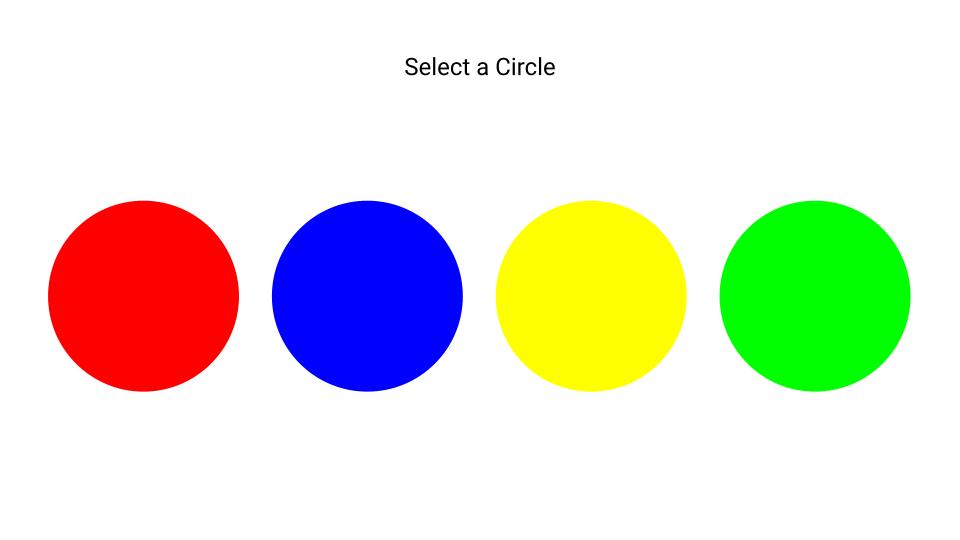
Below are four identical circles that differ only by color. Pick one, then continue through the slides until you reach the end. There’s nothing to memorize—just make your choice naturally.
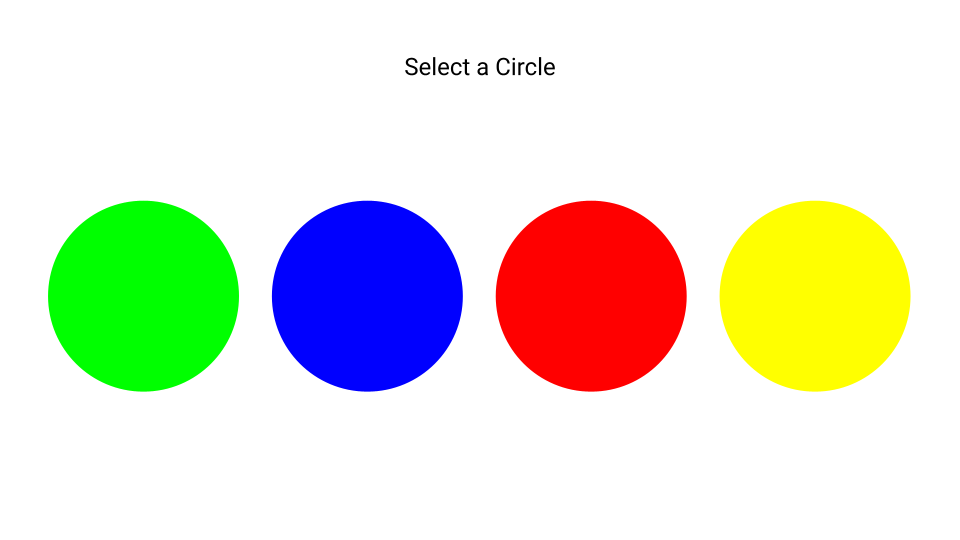
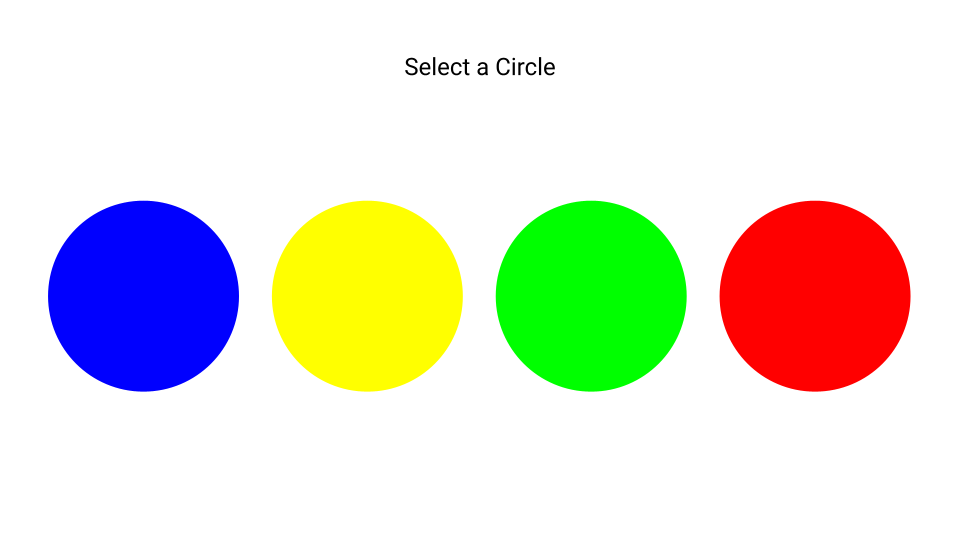
Completed the exercise? Great. Let’s think about what happened.
Most people begin by choosing a color for no particular reason. I for instance selected blue because I like blue.
But something interesting happens on the second slide.
Rather than making a brand-new decision, most people simply choose the same color again. By the fourth and fifth slides, the decision becomes almost automatic.
The choice became easier not because you believe your circle was objectively better than the others. It became easier simply because it was familiar.
This mirrors several experiments conducted in the 1960s that examined a person’s tendency toward natural loyalty. In one experiment, loaves of bread were wrapped identically except each was given a unique label—L, M, P, or H—and were offered to 42 households over 12 consecutive days.
Although every loaf was identical, many households quickly developed consistent preferences. Some repeatedly chose the same letter. Others consistently selected whichever loaf happened to sit in the same position on the tray. The familiarity, not the differentiation, became the meaningful choice.
Brands benefit from exactly the same psychological shortcut. Once buyers become familiar with a brand’s appearance, name, packaging, or other distinctive cues, choosing it becomes easier. Over time, those repeated choices become what we call loyalty.
What is brand loyalty?
Brand loyalty is defined as the restricted buying from a repertoire of brands.
In other words, loyalty is buying certain brands repeatedly. Not because you love them. Not because they’re the best.
Because they’re familiar.
This type of loyalty isn’t limited to colored circles, bread, or grocery products.
It appears in high-involved categories as well. Nearly 50% of car buyers purchase the same brand they had last time.
What about brand love?
It’s true that some people really love brands. But that groups is much smaller than you may think. Only about 9% of consumers report loving any given brand.
If only 9% of consumers love a specific brand, brand love cannot explain things like a 50% retention rate for cars.
It’s familiarity, not love, that drives loyalty.
Messing with loyalty
If familiarity helps create loyalty, then disrupting familiarity carries risk.
How does this happen?
- Logo changes
- Packaging redesigns
- Store redesigns
- Significant recipe/formula changes
- Radical re-positioning
- Disrupting normal distribution channels
And many, many more.
Some real world disruptions
Cracker Barrel
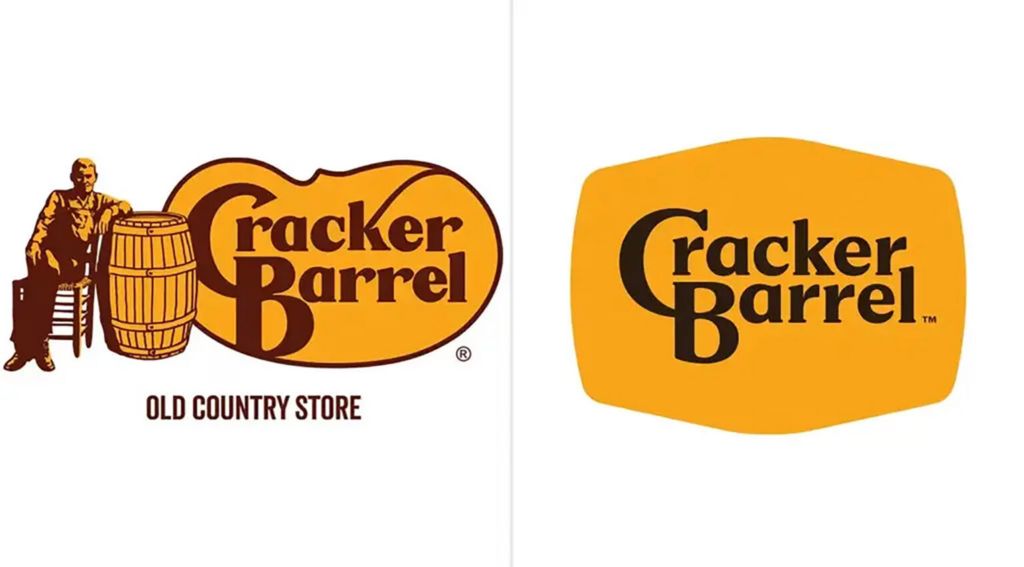
In 2025, Cracker Barrel announced a significant change to its brand identity, changing the color, shape, and font, and, most notably, removing the iconic old man character. The backlash was immediate, incensed, and disruptive. The restaurant chain quickly walked back the redesign.
This was not just a PR crisis. It was a financial one. The company’s stock nosedived following the announcement and, even nearly a year later, has yet to return to pre-brand change levels.
Gap
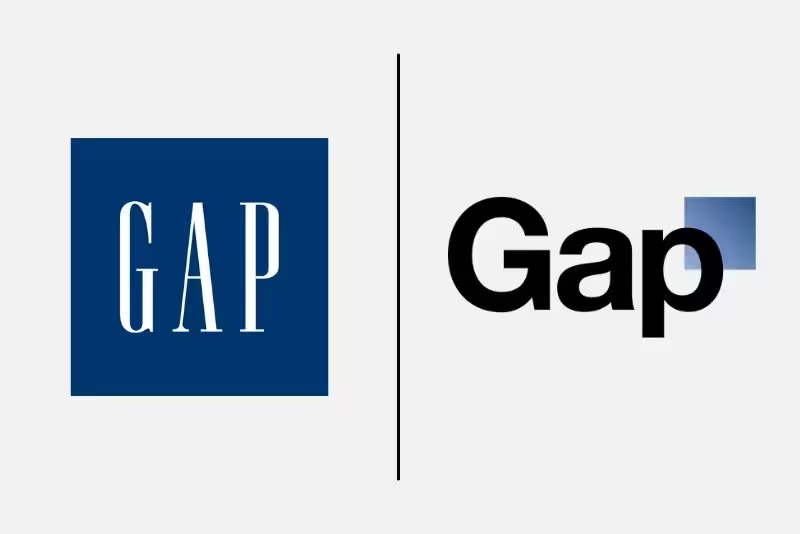
When Gap unveiled its redesigned logo in 2010, the consumer backlash was swift. To Gap’s credit, so was its response. Within six days, Gap announced it would return to its previous look.
Tropicana
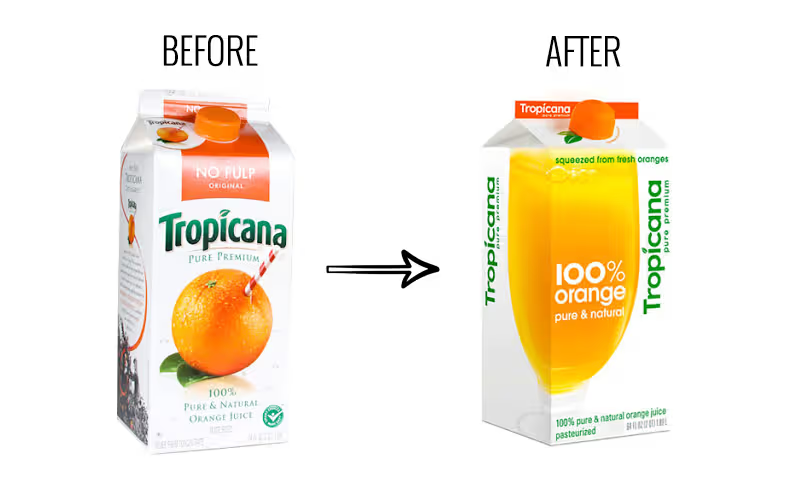
In 2009, Tropicana decided to redesign its logo and its packaging—a double whammy. It traded the iconic orange-and-candy-striped-straw with a generic glass of juice. In this case, the backlash was felt at the register. In just two months, Tropicana lost more than $30 million in revenue.
Are all changes bad?
Not all change destroys familiarity. In fact, the best brand evolutions preserve the memory structures people already have while updating the brand for new buyers.
Old Spice is one of the most famous examples of re-positioning done right. It dusted off that “old man” image that had accumulated for decades and launched the wildly successful “Man Your Man Could Smell Like.”
But the Old Spice brand management team understood re-positioning meant respecting the past. While the Man Your Man Could Smell Like was new to the brand, the product he carried was mostly unchanged—same logo, name, packaging, scent, and shelf recognition. It was a new campaign with a familiar product.
Evolving a brand requires a respect for its heritage and its familiarity in consumers’ minds. It’s about deciding which parts of the brand should remain familiar and which parts should move forward.
If you can do this right, you’ll come away with a brand that’s familiar yet modern. And that’s a brand to love.
Thinking of a brand evolution? We can help.
If you’re considering evolving your brand, understanding what customers already recognize—and what they already associate with your brand—is essential.
How do you measure that?
We can help quantify your current positioning by measuring your brand image attributes and the buying occasions and situations that trigger your brand in buyers’ minds. We can also measure how well-known and unique your brand assets are (e.g., logos, colors, taglines, characters, etc.).
Through this comprehensive analysis, we can provide defensible, evidence-based insights to inform your evolution and ensure you’re making sound decisions without costly disruption.

About Rhen Wilson
Rhen Wilson is Director of Strategy at Stone Ward, where he helps brands grow through evidence-based marketing strategy. His work focuses on consumer research, brand positioning, and marketing effectiveness, helping organizations make better decisions grounded in empirical evidence rather than convention. Rhen holds a MiniMBA in Brand Management from the Marketing Week MiniMBA program and regularly writes about marketing science, behavioral research, and brand growth.