Takeaways from HCIC 2025
This past November, I had the opportunity to attend the HCIC conference in Las Vegas. The three-day conference brings together healthcare marketers from around the country for workshops, in-depth sessions and panels. I was among marketing teams from major healthcare systems like Piedmont, Mount Sinai and Kaiser – it was basically the red carpet of healthcare marketing events.
As Stone Ward’s Senior Account Manager for our healthcare clients, I attended each session and listened through a lens of brand impact. What I heard made one thing clear: digital innovation isn’t just an operational upgrade. It’s one of the most powerful brand-building tools healthcare systems have.
Here are my top 3 lessons learned from HCIC, and how I’m using this knowledge to help my healthcare clients improve their brand, content and digital strategies in 2026 and beyond.
1. Privacy Compliance Is a Trust-Building Opportunity (Not Just a Headache)
Three years after the infamous HHS bulletin in 2023, we’re finally coming up for air and discovering more and more tools that allow us to filter data for marketing use, but implementing those tools is another battle altogether.
- The Shift: The industry is moving toward Server-side Google Tag Manager (sGTM) or Customer Data Platforms (CDPs). These tools allow marketers to compile and filter data in a safe, fully compliant environment before it’s shared with platforms like Google and Meta. But, we have to engage with IT, IS, operations, and legal to get these tools running.
- The Solution: Leadership should take the system-wide engagement as an opportunity to demonstrate the importance of tracking and analytics to marketing, and explain the benefits marketing provides to the system as a whole. You’ll probably work with some folks you haven’t met before – and that’s a chance to build trust.
- The Brand impact: When marketing leaders bring IT, legal, and operations together, they position marketing as a strategic partner—not just a service department.

2. Authenticity Over Polish in Content Strategy
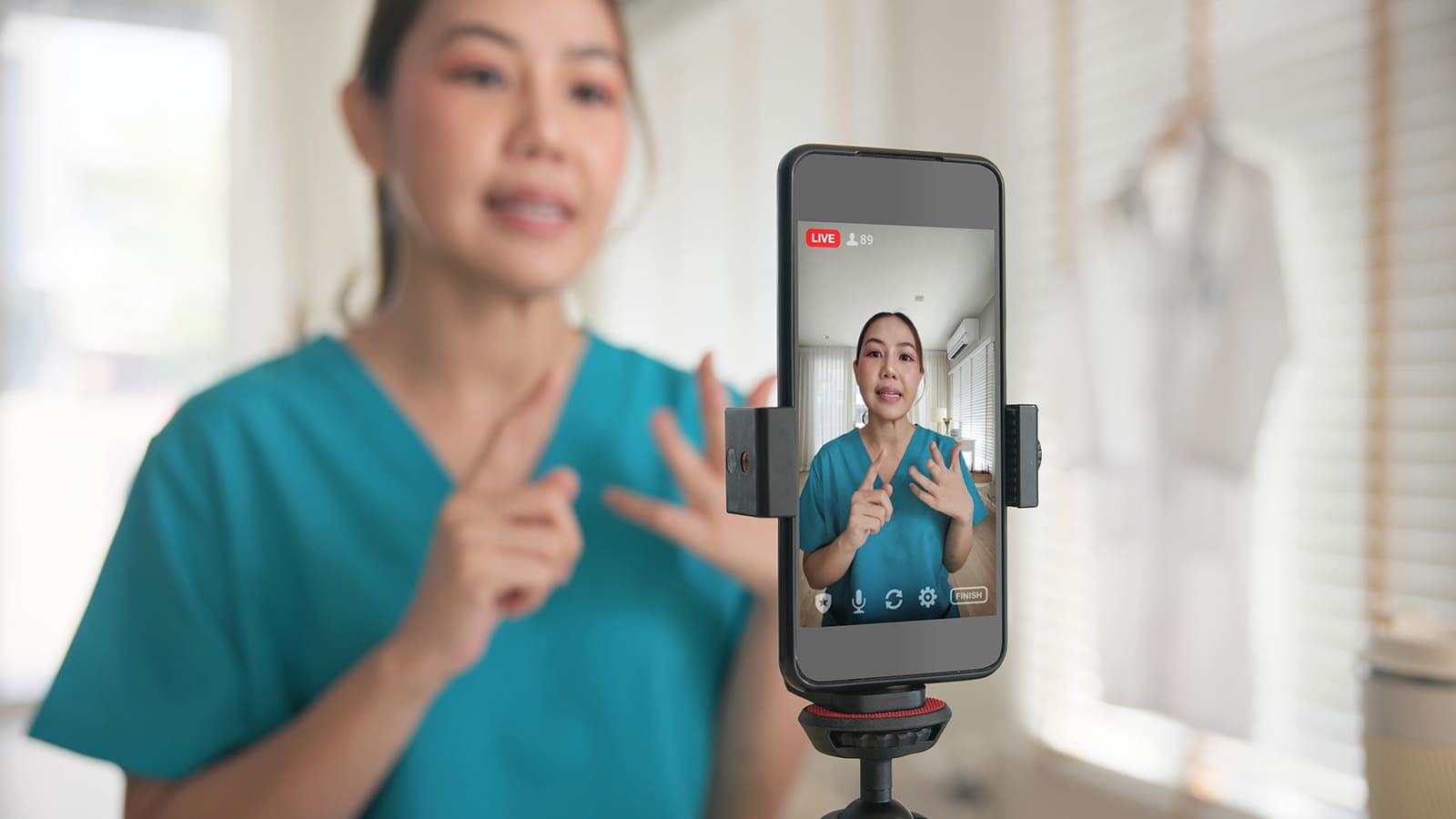
Looking externally to the realm of social media and video, the trend has swung away from high-production commercials toward authentic, "lo-fi" storytelling. There is still a place and time for high production quality content, but on channels like TikTok and Meta, people want brands to feel approachable, conversational and non judgemental – especially when it comes to their healthcare providers.
- The Shift: Short-form video dominates, and audiences trust providers who come across as genuine rather than scripted. But it’s notoriously hard to find physicians with schedule flexibility who have the on-camera personality to pull off this type of content.
- The Solution: The best tips I heard encouraged free monologue and "off-the-cuff" speaking rather than reading scripts. Mount Sinai shared their “Bootcamp Method,” in which they start a session by allowing a physician to speak off-the-cuff through the topic. The social media team noted where the physician lit up and became more passionate, and then used follow-up questions to dig deeper. The post-production then cut those moments together to make a cohesive, engaging and snappy piece of content. This approach led to higher retention and engagement – simply because it captured the physician's real voice and passion.
- The Brand Impact: Authentic, unscripted content humanizes healthcare brands, helping patients see providers as trusted partners rather than distant institutions.
3. The Next Wave: Authentication Allowing for Personalization
As third-party cookies continue to crumble and privacy laws tighten, the "logged-in" or authenticated experience on healthcare websites will start to become the holy grail of patient engagement. Imagine logging into your healthcare system’s website and immediately seeing care options that actually apply to your condition, appointment reminders, and follow-up resources based on past interactions. I think we could all use that.
- The Shift: Authenticated users (those logged into a portal or app) interact with features and visit websites significantly more than anonymous "strangers". They also have better experiences, with more changes to personalize their dashboards and touchpoints.
- The Solution: By encouraging users to create accounts, systems can deliver hyper-personalized content, richer analytics, and seamless scheduling without relying on invasive tracking pixels. An owned account also gives the patient a chance to own their experience more – putting a sense of control back in the hands of those who need it.
- The Brand Impact: This is going to allow brands to make more intimate connections with their patients – but if we rely too heavily on digital channels to provide care, it could also make patients feel like their provider is less hands-on.

The Takeaway
We all know that patients are more likely to return to providers that offer convenient, digital-first experiences. But ultimately, these changes can’t just be seen as operations improvers; they’re also brand builders. As we evolve, we’re going to need to prioritize tools that help us maintain a human touch in every digital interaction.
At Stone Ward, we help healthcare brands turn complex digital challenges into meaningful patient experiences – all without losing the brand voice you’ve worked so hard to build. If your team is navigating these shifts, we’d love to talk.

Ready to Turn Digital Challenges into Meaningful Patient Experiences?
Caroline is Stone Ward’s Senior Account Manager for our healthcare clients, helping brands navigate complex digital challenges, from privacy compliance to patient authentication, to maintain a human touch in every digital interaction.